Whisky experiences Scotland: How to Add Whisky to a Spring Scottish Farm Escape
Spring is one of the best times to explore whisky experiences in Scotland, as the countryside comes alive with colour, fresh air and longer days perfect for discovery. If you’re planning a seasonal getaway, a spring farm escape in Scotland offers a unique way to connect with whisky beyond the traditional distillery tour, bringing you closer to barley fields, rural landscapes and the origins of the spirit itself. From farm distilleries to hidden gems across the Highlands and islands, this guide will help you uncover unforgettable whisky travel experiences in Scotland that blend nature, heritage, and exceptional drams.
Whether you plan to visit by yourself, with a partner, friend or with your family, there are some wonderful, slightly less usual ways to enjoy the world of whisky: by going back to a key place in the history of whisky, namely, farms.
In fact, back in the days when whisky distilling was more of a homely (albeit often illegal!) deal, whisky makers would often use their farm buildings to set up production.
They did so for a variety of reasons: first and foremost, because many of them were, well…farmers! But here was the advantage: the more remote settings of farms and the nature of farm buildings meant that it was much easier to hide one or two stills (much smaller than those you can see in some of the more established distilleries) from authorities who would want to get their share of profit.
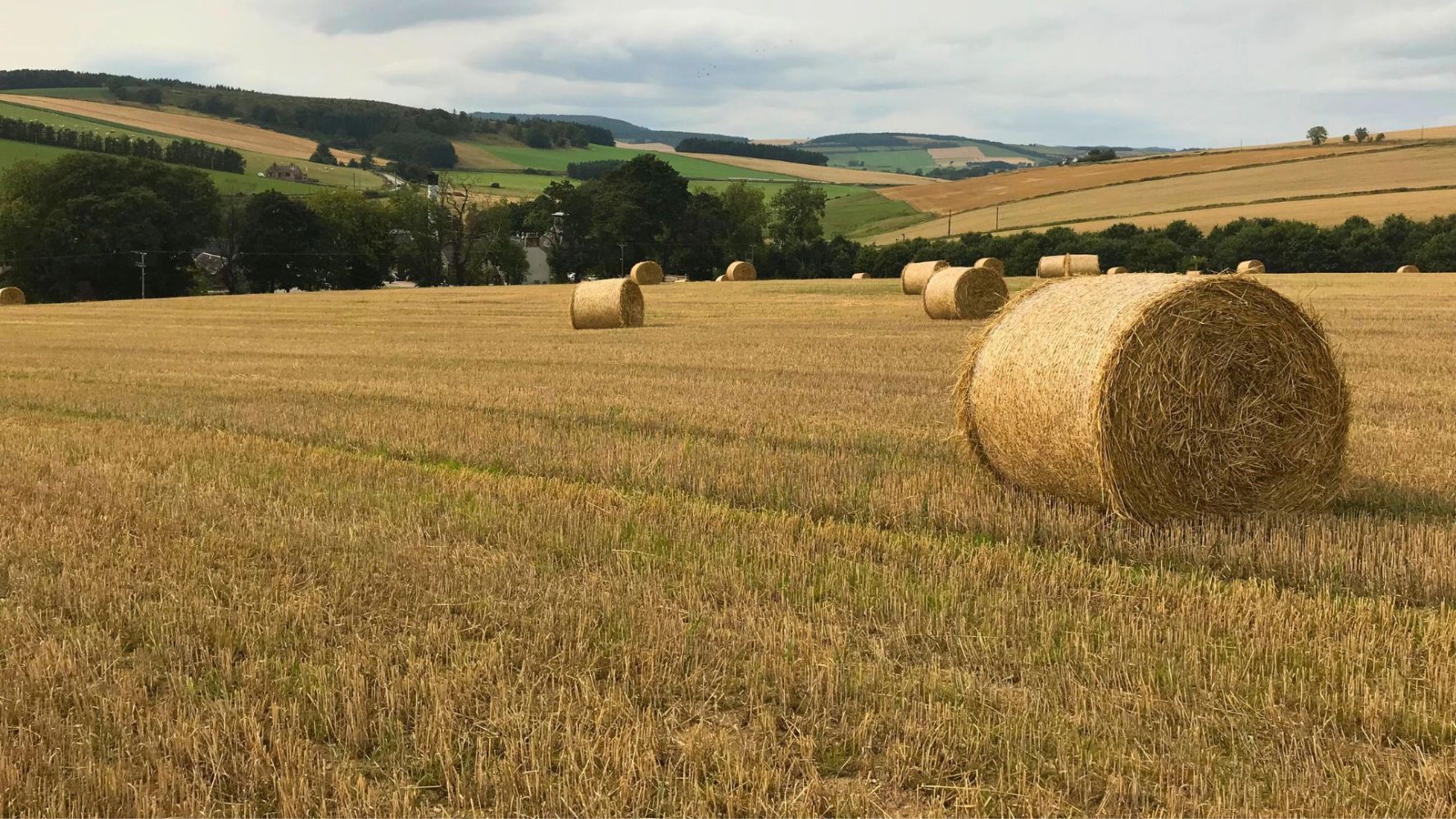
Barley Fields
Farms would also ideally be located close to water sources and have readily available crops, making two of the three ingredients needed for whisky readily available.
Although some incredibly small and independent farm distilleries (such as Daftmill and Lochlea) are not quite open for tours as they are working sites first, there are some fantastic options for you to blend a farm and a dram.
So, if you are visiting Scotland this spring and want to indulge in some whisky-related activities, here are a few ideas to get you inspired for your next travels.
From Field To Barley: The Whisky Distilleries Growing Their Own Barley
Although today the increase in demand for whisky means that most distilleries source their barley from other sources and from various locations around the UK and EU, some smaller distilleries are still growing their own barley on-site (or very close by), at least for part of their overall production. Here are some of our favourites.
Farm on the Island: Kilchoman Distillery (Islay)
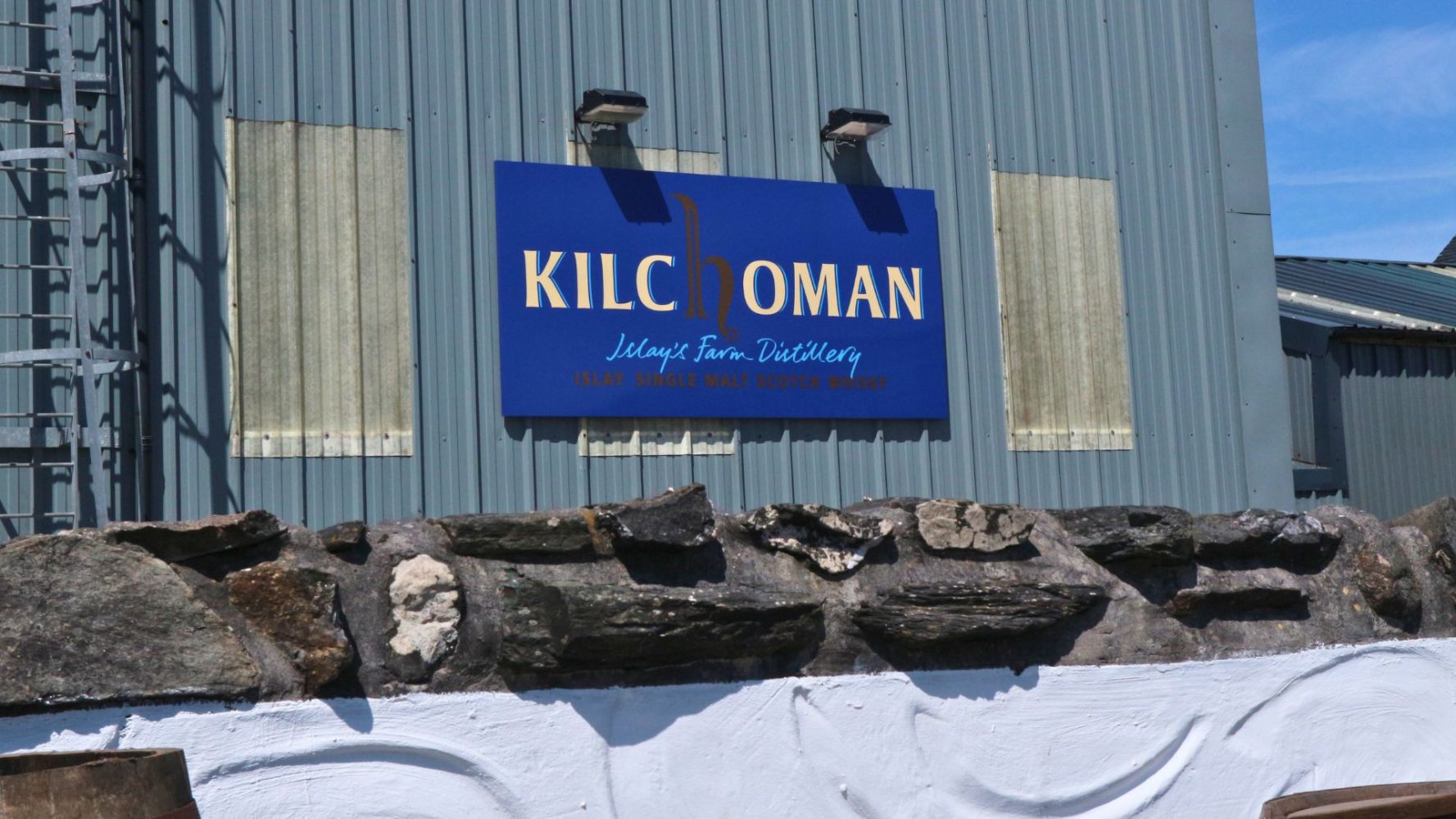
Kilchoman (Farm) Distillery, Isle of Islay
Islay is known for its peaty, coastal whiskies, and Kilchoman is a key milestone in the landscape of modern whisky making. The first distillery to be founded on the island in more than 120 years, Kilchoman was established in 2005 and is located in the parish of Kilchoman, boasting Islay’s most fertile soil. The fields around the distillery can provide up to 440 tonnes of barley each year – and you can well spot them when you come to visit this stunning area of the island.
Thanks to this unique location and its farmers’ interest in experimenting with barley varieties, Kilchoman Distillery regularly produces its 100% Islay editions, made with barley grown on the island. Visitors can get a flavour during a regular visit, but the distillery also offers more in-depth tours centred on the barley and the farming aspects of the business.
Arbikie Distillery (Angus)
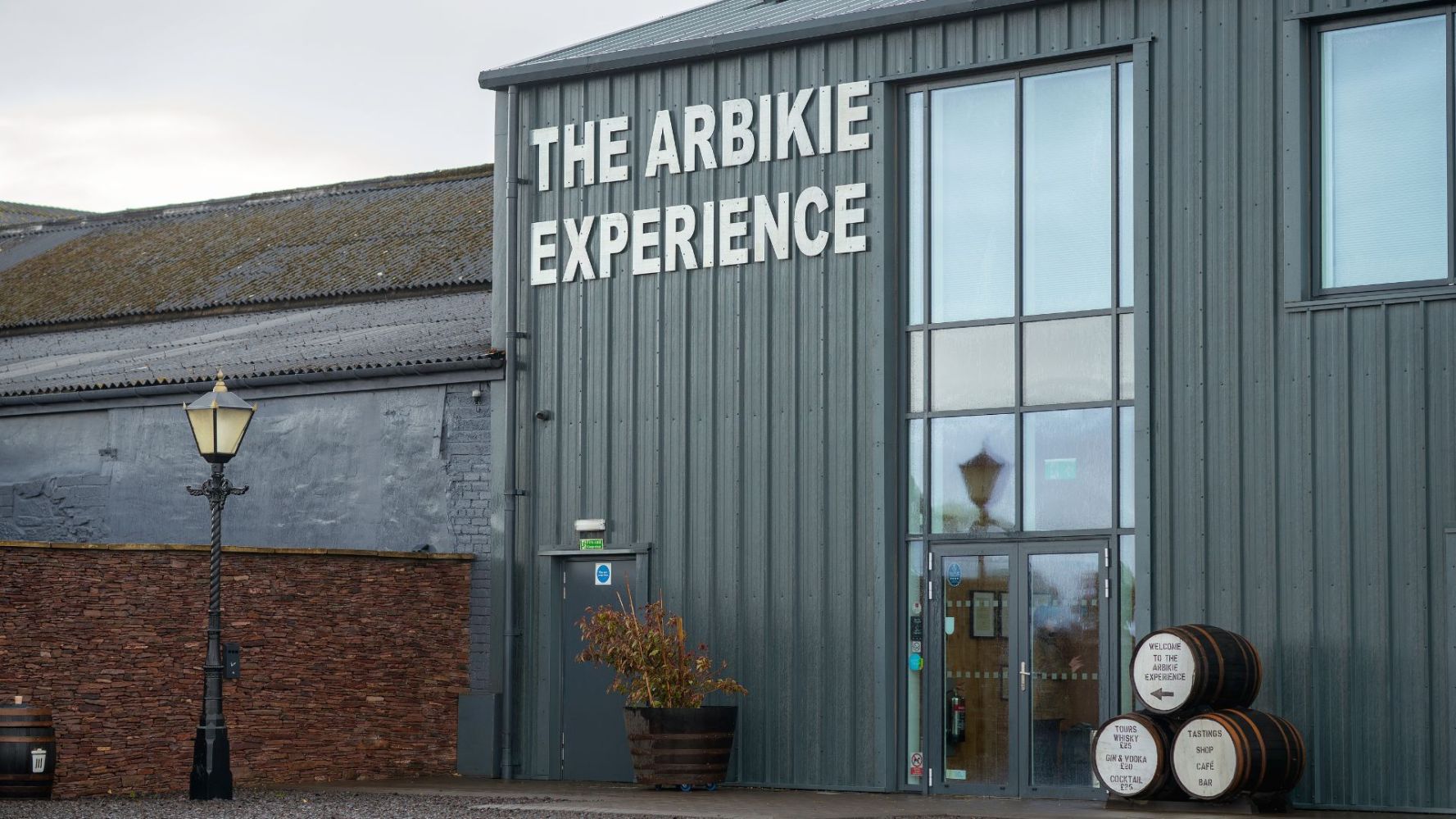
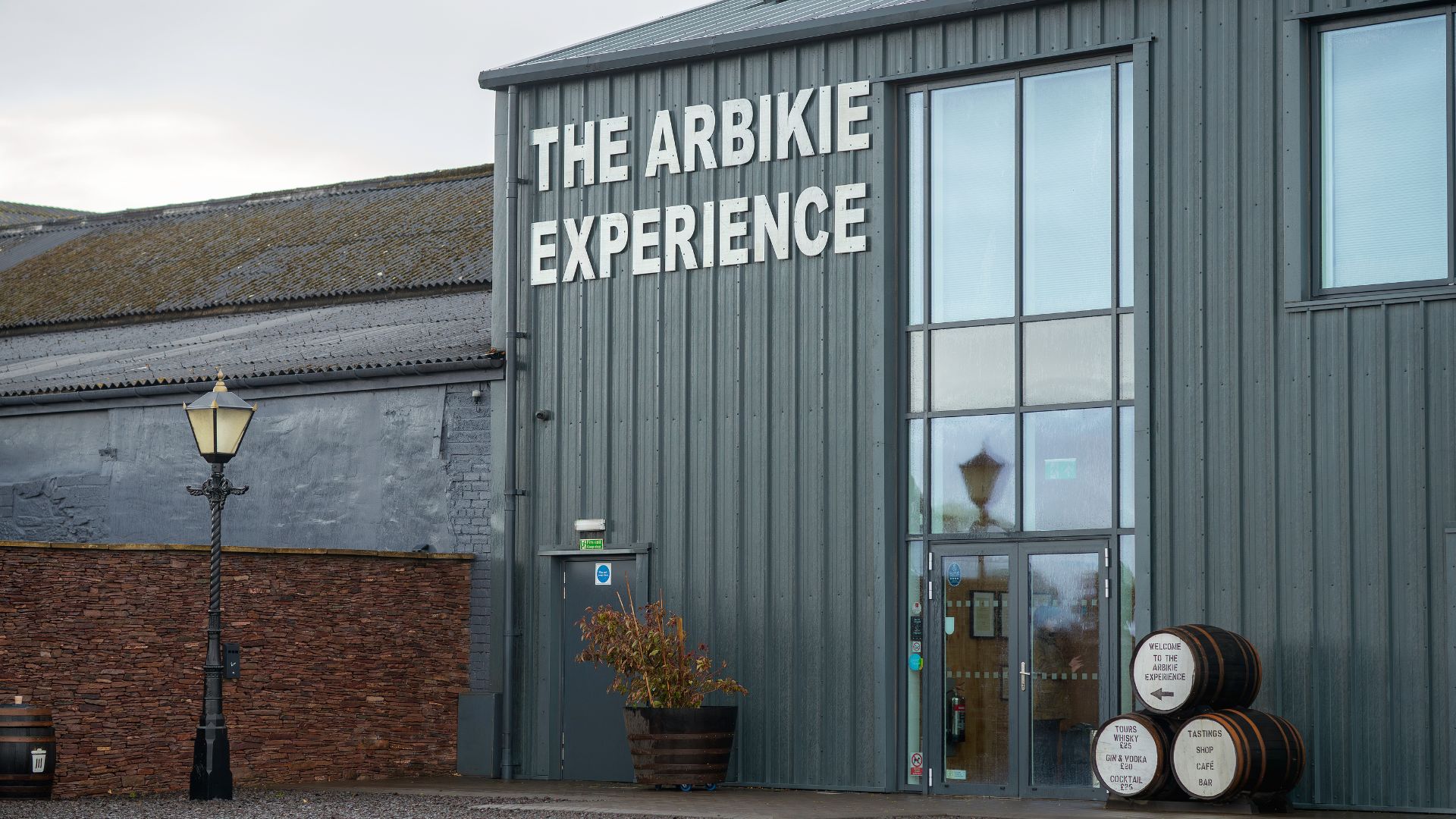
Arbikie Distillery – Visit Scotland
Another pioneering distillery whose story and ethos are deeply rooted in the fields surrounding it is Arbikie. Founded in 2013, the distillery places sustainability at the core of its operations, producing the world’s first climate-positive spirits.
Built on the Arbikie Estate, on which the Stirling family had been farming for many generations, this is a perfect place if you want to learn more about this aspect of the production process. This distillery also offers a tour that looks at the role of the fields in their operations. Also, they produce one of the few rye whiskies made in Scotland, so this experience is a bit different from the usual distillery tour!
Kingsbarns Distillery (Fife)
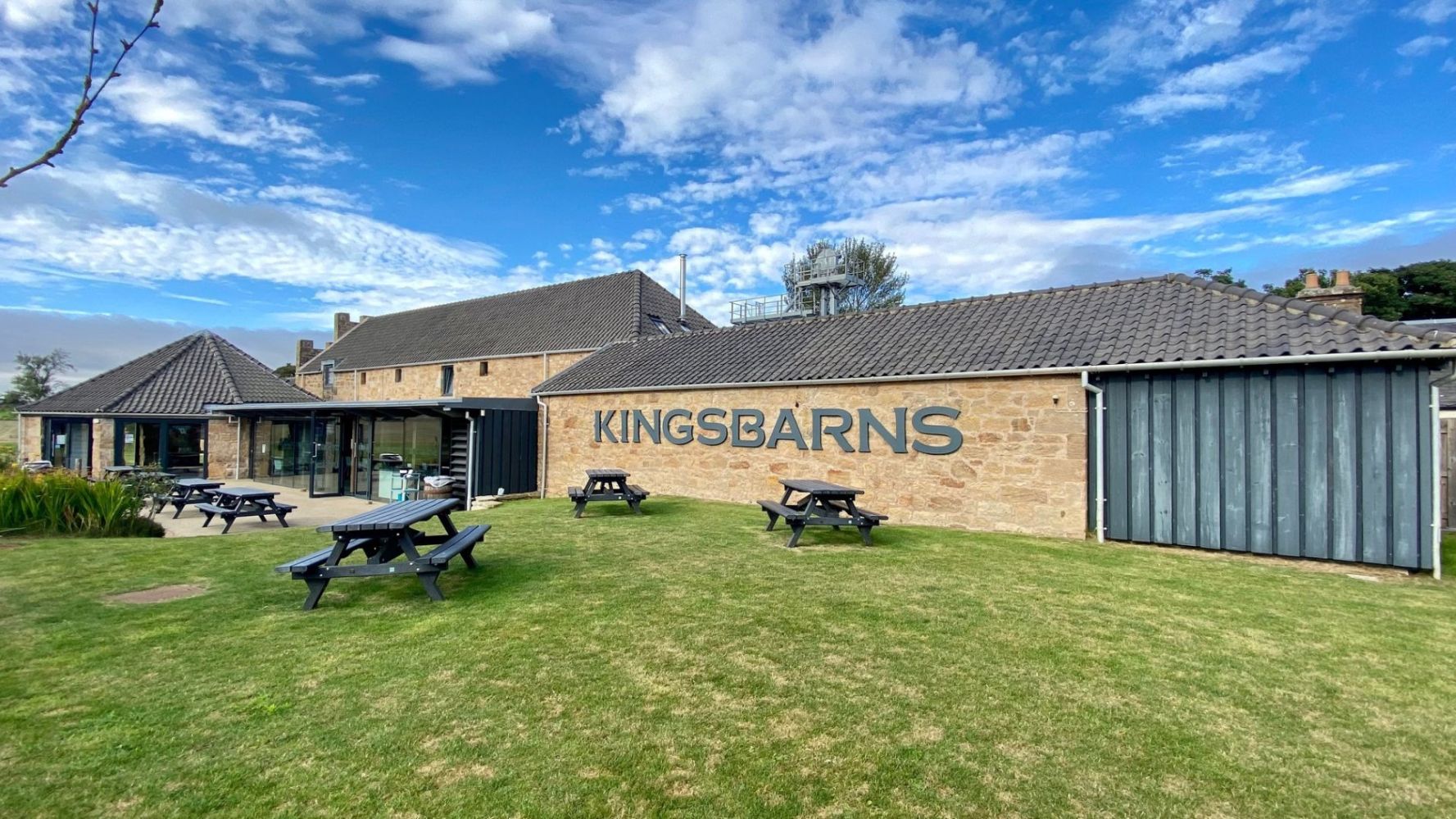
Kingsbarns Distillery
From Whisky to Field: Farm near distilleries
Authentic farm experiences straight on distillery grounds might not be the easiest to come by, but there are some lovely farms you can visit with your friends and family, which are near some of the more rural distilleries in the country. Here are some we love most.
Logie Steading (Forres) and Benromach, Dallas Dhu and Dunphail
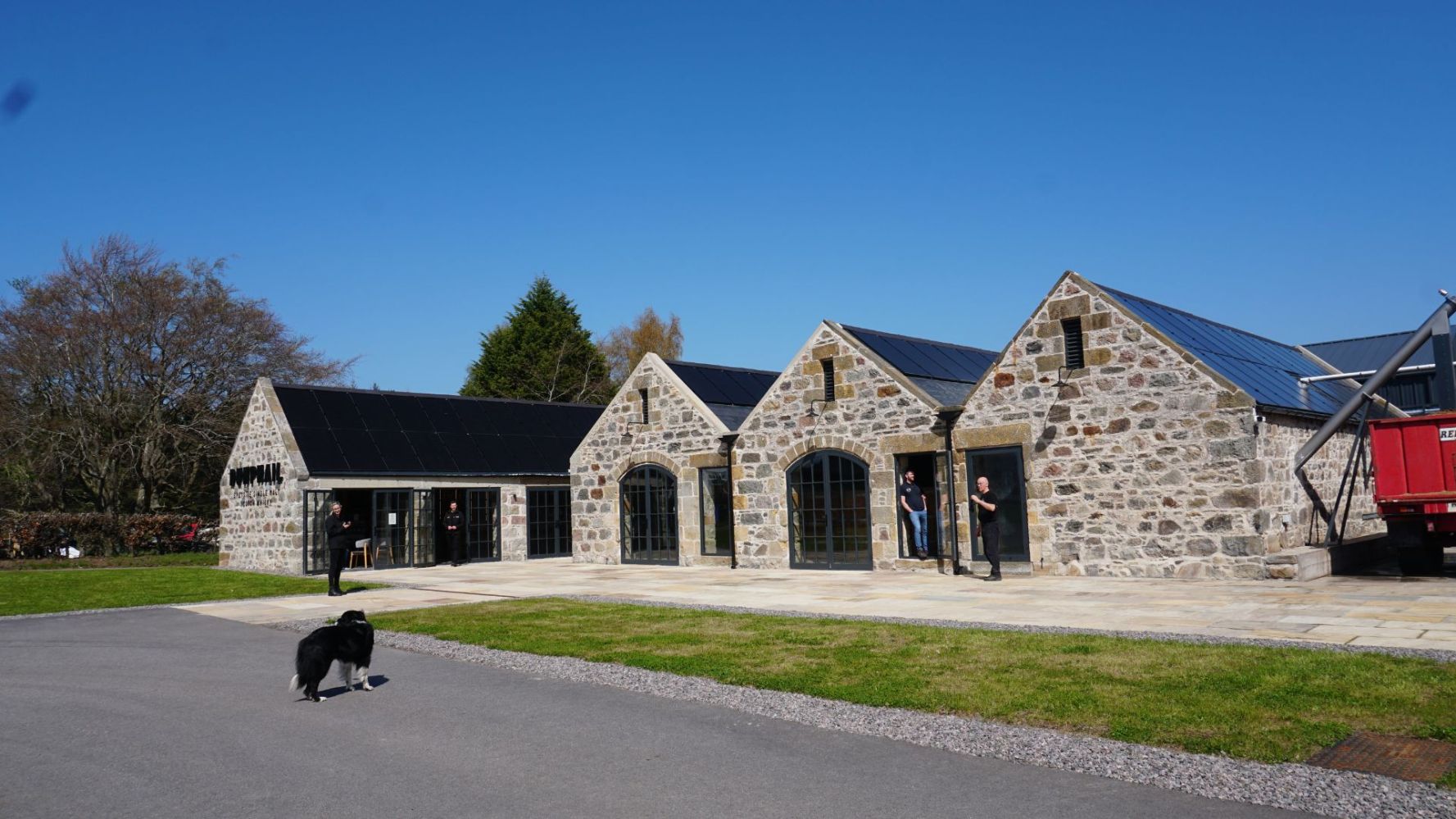
Dunphail Distillery
The site also happens to be only a few miles away from two fantastic sites for whisky enthusiasts: the historic distillery of Dallas Dhu, where you can go on a proper whisky time travel and see how the spirit was produced in the early 1900s. Close to Logie Steading and immersed in the picturesque Nairnshire landscape is the brand-new Dunphail distillery, which began production in 2023.If you are also a keen hillwalker or cyclist, do not miss the Dava Way, a popular 23-mile trail passing through a mix of farmland, woodland and moorland.
Loch Ness Alpacas And Farm Ness (Inverness) and Tomatin
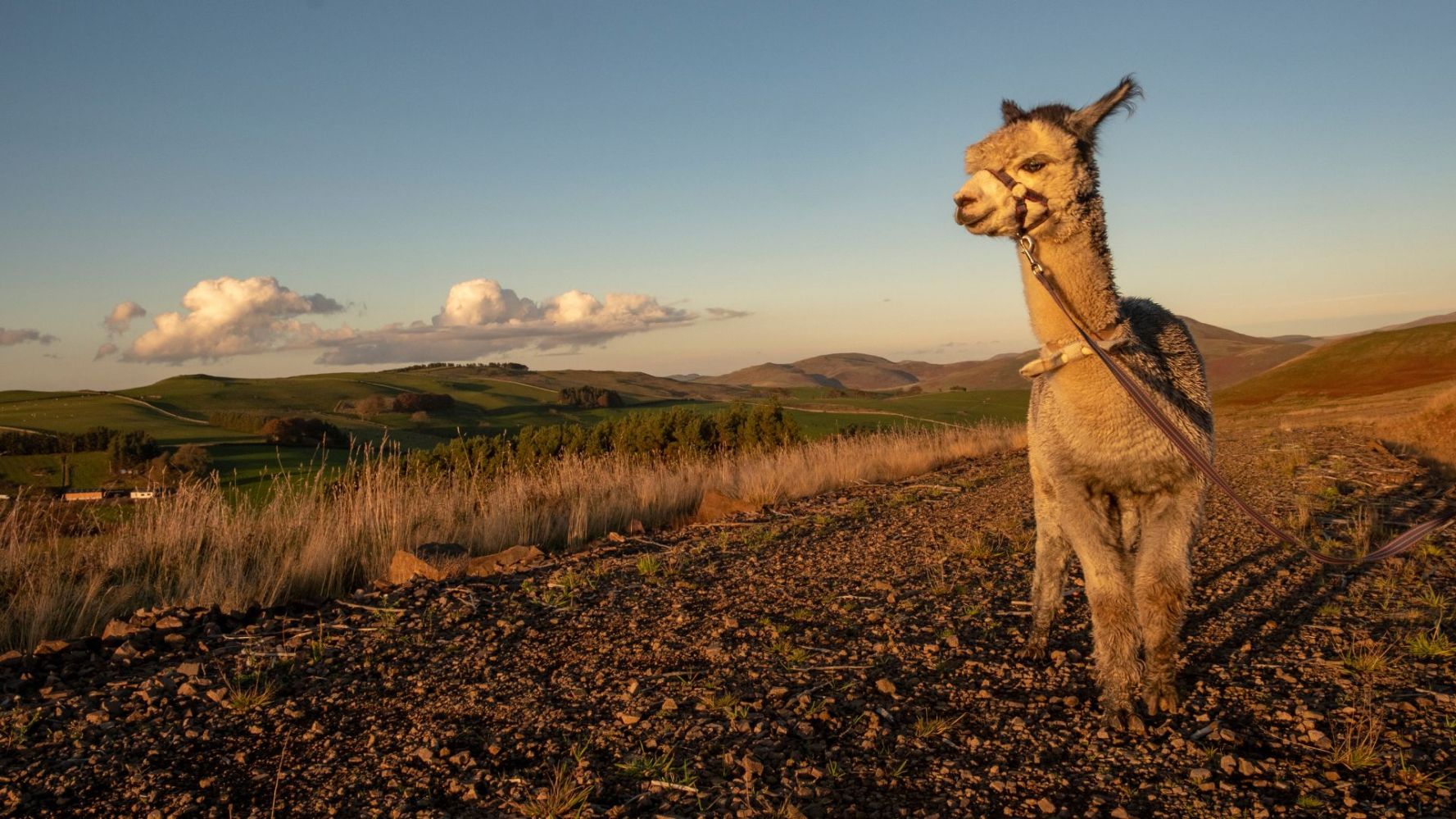
Alpaca – Visit Scotland
And no, we are not talking about Highland Cow…if you are visiting the area, you can pop by and say hi to some long-necked, fluffy friends at Loch Ness Alpacas. You can feed these fun creatures, and the centre also offers a trekking option to walk around with them in this stunning location.
Another lovely local venture is Farm Ness. This family-run farm welcomes visitors to meet its animals and features a lovely cafe and shop that sells its produce. Here, yes, you will come close to the iconic Highland Cows!
From here, the whisky enthusiast can head towards the fascinating Tomatin Distillery, which was one of Scotland’s largest whisky producers back in the 70s. Today, production has been re-dimensioned in terms of litres, but the quality of the whisky is excellent, and the distillery is a one-of-a-kind looking site compared to most historic Highland sites.
Going back to the city, it’s worthwhile having a look at its newest whisky distillery and brewery, Uilebheist (pronounced Ule-bheist; it’s Gaelic for Monster, and because it’s located on the River Ness, you might guess who this tribute goes to!).
Their whisky is not ready yet, but the bar has one of the best whisky collections in town, and you can sit down and enjoy a dram and a freshly brewed pint whilst admiring the production area behind the glass.
Robertson’s The Larder & Highland Cows (Beauly) and The Singleton of Glen Ord
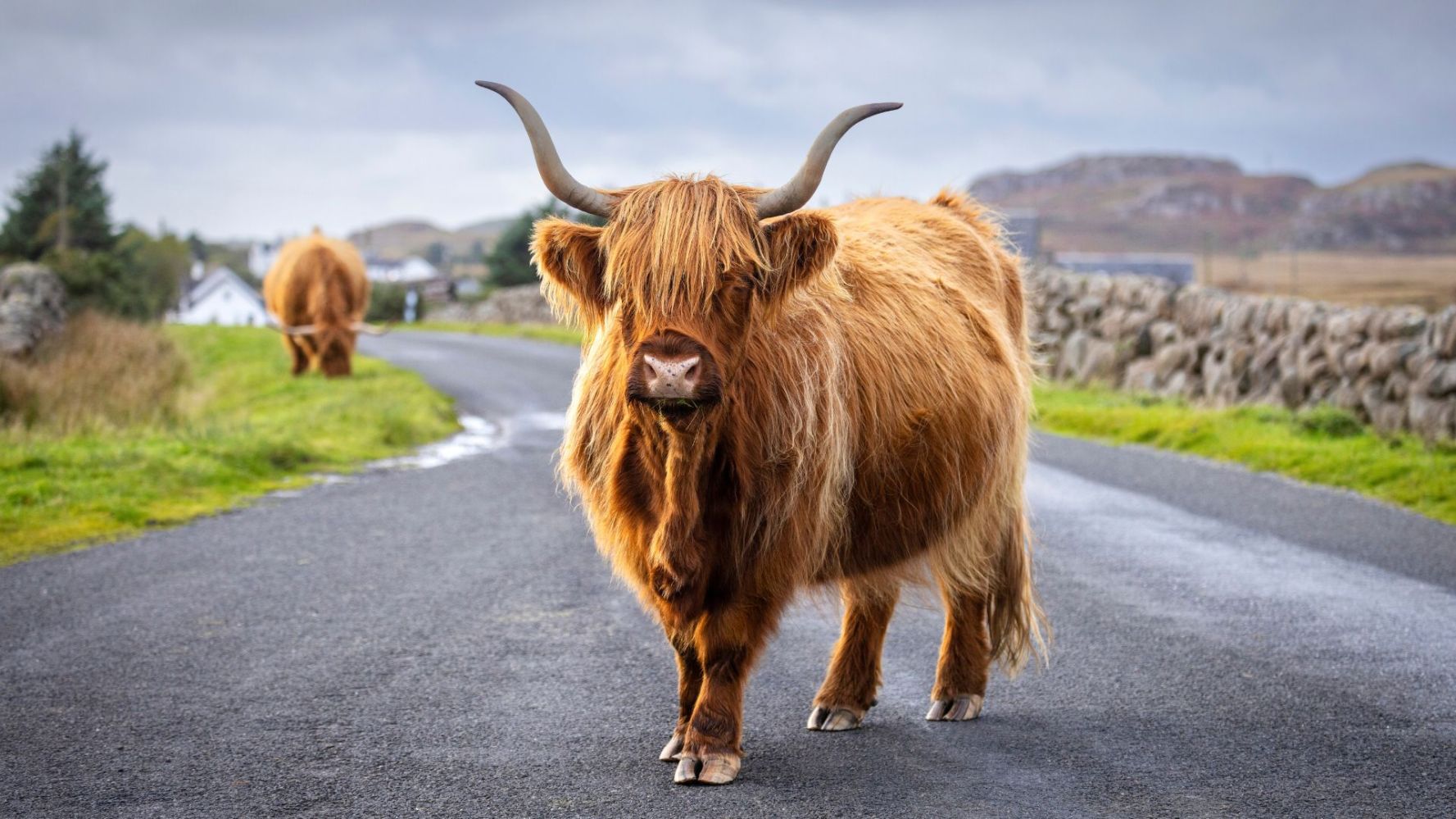
Highland Cow – Visit Scotland
But now, onto the whisky. You can’t miss out on the institution, which is Glen Ord distillery: first, because this is a difficult-to-find whisky, as most of its production is exported to the Asian market. The distillery is also well known for its maltings, which supply its own production as well as other distilleries owned by Diageo. The visitor centre was part of a major refurbishment a few years ago, and it is a great place to sit and have coffee and cake to accompany your drams before or after the tour. They also occasionally host live music sessions, which are worth keeping an eye on.
Nearby, we also have Glen Wyvis, Dalmore, Invergordon and Teaninich. And potentially the new Ferintosh distillery.
Dalscone Farm Fun (Dumfries) and Annandale
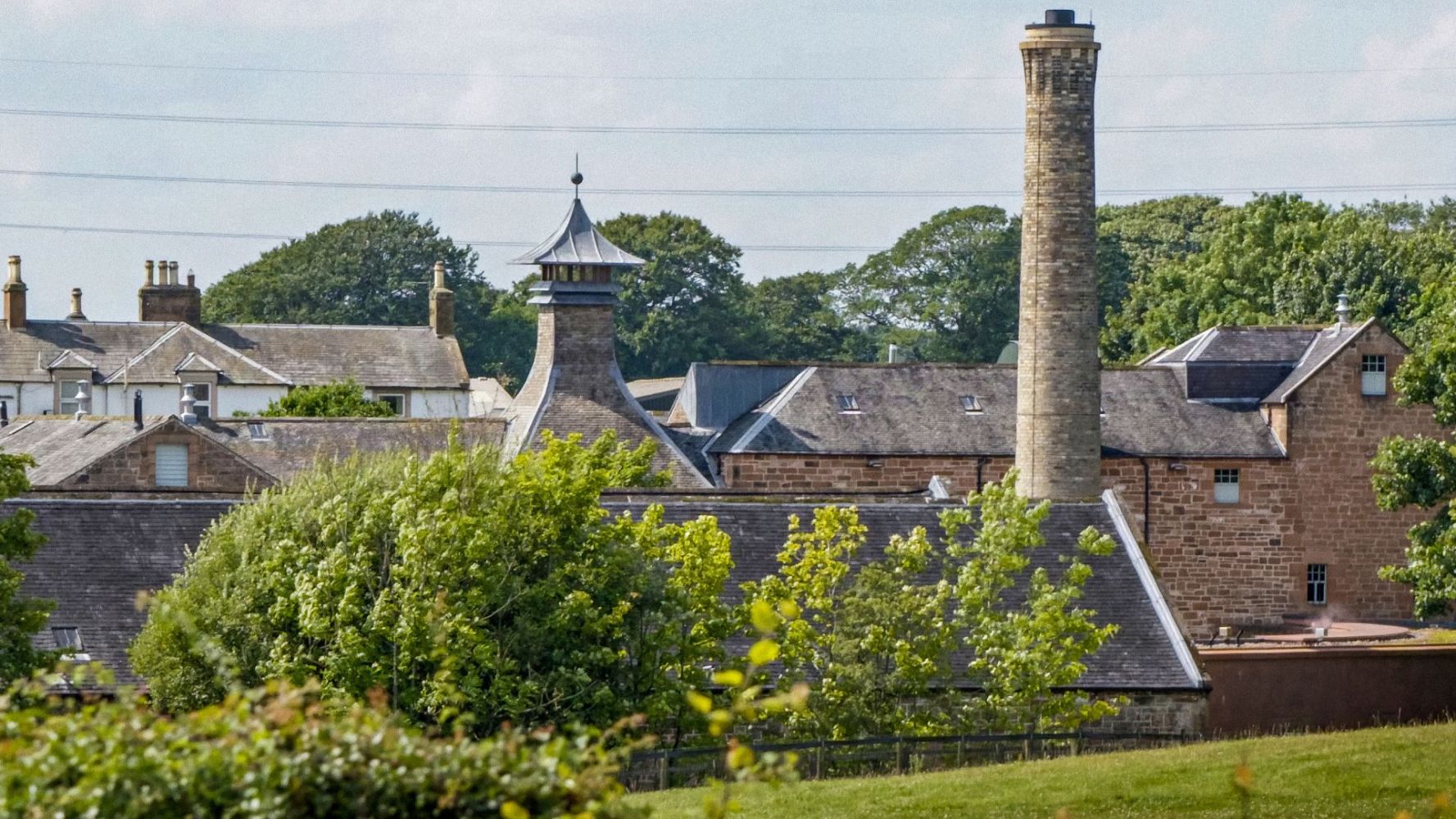
Annandale Distillery – Visit Scotland
Whilst immersed in this stunning countryside, you can find a true farm-based entertainment park at Dalscone Farm Fun, just north of Dumfries. This is a fantastic place for families, and you’ll see a brilliant play area alongside an array of animals of all kinds to meet and learn more about. There is also an indoor area which can really come in handy should the ever-changing Scottish weather turn for the worse!
Once you are in the area, you can also learn more about Scotland’s bard, the one and only Robert Burns, as that’s where the poet lived for a period of his life, and where he eventually died.
But, we are all about positive spirits here! From Dumfries, head to Annan, where the second southernmost distillery in Scotland lies. Annandale is a stunning distillery originally established in 1836. It closed in 1924, but in 2014, it was brought back to life and now produces two expressions: Man O’ Words, dedicated to Rabbie Burns himself, and Man O’ Swords.
Regardless of which of the above you choose, the most memorable whisky experiences in Scotland often lie beyond the traditional distillery trail. A spring farm escape in Scotland offers the chance to slow down, connect with the land and discover how barley, people and place come together in every dram. Whether you explore farm distilleries, meet local producers or uncover hidden gems along the way, these Scottish whisky travel experiences reveal a deeper, more authentic side of the country, one that lingers long after the last sip.
Still don’t know where to head? Check out one of our many whisky experiences around Scotland!
And now, have a wonderful spring, Slàinte!
Author
Federica Stefani
Whisky Writer & Journalist